Showing posts with label asian. Show all posts

Saturday, July 30, 2016

Sugar!


Sugar not only sweetens food, it adds flavor, texture, decoration and it helps food to brown easier through caramelization process. It works to make baked goods more appealing in color, more moist and tender in texture, and it works to stabilize egg white meringues when making pavlovas and the like.

Sugar can be categorized by color and granularity.

White Sugar
  1. Confectioners Sugar, Icing Sugar or Powdered Sugar
    It is also referred to as xxx to 10x sugar (more X's indicating finer grains), and the sugar is ground further into a fine powder that can come in different degrees of fineness. Confectioners sugar dissolves immediately in liquid, and is often used to make icing and frosting for baked goods. Because powdered sugar clumps up easily, there is always a small amount of cornstarch added as an anti-caking agent. If the recipe calls for pure powdered sugar, such as for French macarons, you can use pure granulated sugar and grind it finer in a coffee grinder, or crush it in a mortar and pestle by hand.

  2. Snow Sugar or Doughnut Sugar
    This is similar to powdered sugar, only it doesn't melt as easily as it consists of dextrose, starch and anti-binding agents to retain its structure when dusted on pastries that require refrigeration.  Commercial bakers use this on cakes, doughnuts and other pastries for decorative purposes.

  3. Caster Sugar 
    Caster sugar is finer granulated white sugar. Because the crystals are finer, they dissolve quicker than regular granulated sugar, which makes it ideal for making meringues, syrups, and cocktails.

  4. Granulated Sugar 
    It's also called refined, table, or white sugar. When people talk about "sugar," this is usually what is referred to. It's the most common type of sugar for daily all purpose use. It is made from sugar cane or sugar beets (99.95% Sucrose).

  5. Pearl Sugar, Nib Sugar, or Hail Sugar 
    Pearl sugar is a opaque-colored specialty sugar that comes in different sizes by brand, often used in Scandinavia and a few other countries in Northern Europe. It is not completely round, but comes in large chunks and has a coarse, hard texture. Because it is heavily compacted, it holds its shape, and doesn't melt when exposed to moisture or high heat. Pearl sugar is commonly used to decorate pastries, cookies, and buns. Sprinkling it over the top of a bread or pastry or mixing it into the dough will give the baking goods extra crunch, sweet bursts and a nicer finishing aesthetic appeal. 

  6. Cubed Sugar or Sugar Cubes
    Sugar cubes are compressed blocks of sugar that are designed to dissolve easily in hot liquid. The individual grains of sugar are not held tightly together.
Multi-Color Sugar
  1. Sanding Sugar 
    It is used mainly for decorating with its colorfulness and large crystals, which are resistant to heat. The crystals add crunchiness to the texture. Sanding sugar can be found in different colors for decoration.
Brown Sugar

Raw brown sugars range in the amount of processing they receive, but they are brown because, unlike white sugar, they have not had all of the molasses chemically and physically removed, except the "light brown sugar" and "dark brown sugar", which are made of refined sugar with a little molasses added back. The least processed of the brown sugars—Rapadura or panela—often still has the minerals and enzymes intact.
  1. Cane Sugar 
    Cane sugar is produced solely from sugarcane and is minimally processed. It has a larger grain, golden brown color, and it is usually more expensive than regular white sugar. Use the same amount as you would granulated sugar when you substitute it.

  2. Turbinado Sugar 
    Turbinado Sugar is a minimally processed raw cane sugar that's been steam-cleaned with a light molasses flavoring. This sugar variety has non-uniform, medium-size, light-brown crystals. Though its color is similar to standard brown sugar, it's not the same thing. Turbinado sugar has a delicate caramel flavor and can substitute for granulated sugar in recipes if the color is not going to be an issue. Use the same amount you would granulated sugar.

  3. Light Brown Sugar 
    Light brown sugar is refined white sugar with a little molasses added in. It has a slightly sticky, wet, sandy texture and a delicate caramel flavor. It adds color and more flavor for dishes and baked goods. Use the same amount when substitute it for granulated sugar in recipes. To substitute for light brown sugar with dark brown sugar, mix 2 parts of dark brown sugar and 1 part of white granulated sugar. Or use one cup granulated sugar with 1 tablespoon of molasses to substitute one cup light brown sugar.

  4. Dark Brown Sugar 
    Like its lighter counterpart, dark brown sugar is refined white sugar with molasses added in. It contains more molasses than light brown sugar, resulting in a stronger, more intense flavor. Light and dark brown sugar can be used interchangeably. You can substitute brown sugar with granulated with a little molasses. Use one cup granulated sugar with 2 tablespoons of molasses to substitute one cup dark brown sugar.

  5. Demerara Sugar or Demerera Sugar
    Demerara sugar is a variety of raw cane sugar that is partially refined and is originally from Guyana. It is very close to Turbinado Sugar, but with a larger, coarser grain and uniform crystals. Like Turbinado sugar, it has a golden brown color and a natural molasses flavor. Use it for coffee or tea, or as a topping on baked goods to add complex and round sweet flavor.

  6. Muscovado Sugar or Barbados Sugar 
    Muscovado sugar is a British specialty unrefined brown cane sugar and is very dark brown with a particularly strong molasses flavor. The minimally processed crystals are slightly coarser and stickier in texture than “regular” brown sugar. It has a much stronger and distinct flavor that is wonderful in barbecue sauce, marinades, and savory dishes. 
Sugar You May Not Know
  1. Chinese Rock Sugar (
    冰糖)
     or Lump Sugar 

    Chinese Rock Sugar is made by cooking the refined sugar until it starts to color. It is then cooled and solidified as an opaque, gold-colored sugar lumps. Traditionally it comes in irregular lumps of crystallized sugar of varying sizes that you have to whack before using. The crystals can be up to 2 1/2 cm (1 inch) wide. These days you can find it in different degrees of fineness and very easy to use. It has a clear taste, with no discernible caramel tones. It is rounder and not as in-your-face sweet as regular white granulated sugar. Because it's less sweet, it doesn't overwhelm the flavour of tea or dishes as much as white sugar can. 

  2. Coconut Sugar 
    It's the same as palm sugar.

  3. Jaggery Sugar or Java sugar 
    It's a variety of palm sugar. Jaggery is a traditional non-centrifugal cane sugar consumed in Asia, India and Africa. It is a concentrated product of date, cane juice, or palm sap (see palm sugar) without separation of the molasses and crystals, and can vary from golden brown to dark brown in color. It contains up to 50% sucrose, up to 20% invert sugars, and up to 20% moisture, with the remainder made up of other insoluble matter, such as wood ash, proteins, and bagasse fibers. Jaggery is mixed with other ingredients, such as peanuts, condensed milk, coconut, and white sugar, to produce several locally marketed and consumed delicacies.

  4. Kurozato (
    黒砂糖) 
    Sugar and Kuromitsu (
    黒蜜) 
    Syrup

    It is typically made from unrefined Okinawan kurozatō ("black sugar"), and is a central ingredient in many sweet Chinese or Japanese dishes.  Chinese and Japanese black sugar is very close to Muscodavo sugar with minimal processing and most minerals intact, which is believed to have health benefits. It is one of the ingredients commonly used in Asian desserts and pastries. For example it is used in making steamed cakes, muffins, wagashi, and it serves well with kuzumochi, fruits, ice cream, pancakes, sweet tonic soups, etc.

  5. Maltose or Malt Sugar 
    More prosaically, it is a sugar made from grains by malting them. The grains might include barley, rice or wheat. It can come as a thick, sticky clear or amber color syrup sold in tins or tubs, or as a white or off-white crystalline powder with no odor to it. It is less sweet than honey, and only 1/3 as sweet as white sugar. It dissolves easily in water. Malt Sugar is commonly used in Chinese cooking, breads, sweets or pastries. For example, it can be diluted with water and brushed on the skins of ducks in making Peking Duck.

    Moreover, diastatis malt is used by bread makers to feed the yeast and improve the texture.  Nondiastatic malt is used in bread as a flavoring and preservative.

  6. Misri Sugar or Mishri Sugar 
    Misri refers to crystallized sugar lumps, and type of confectionery mineral, which has its origins in India and Persia, also known as rock sugar or lump sugar elsewhere. It is used in India as a type of candy, or used to sweeten milk or tea..

  7. Palm Sugar or Coconut Sugar 
    It comes in block should crumbled when you squeeze it with fingers. 
    Palm sugar was originally made from the sugary sap of the Palmyra palm, as well as the date palm or Sugar date palm. Now it is also made from the sap of the sago and coconut palms and may be sold as “coconut sugar.” Date sugar can also be made with the fruit of the palm by pulverizing very dry dates, but note that sugar made this way will not dissolve well in liquid.

    Palm sugar varies in color from a light golden color to a rich dark brown. It tends to be extremely grainy, with dried forms being highly crumbly, and it is typically minimally processed.

  8. Panela Sugar or Panocha Sugar or Piloncillo or Rapadura  
    It is the least processed of all the cane sugars, and is rich in dietary iron. Unrefined, it is commonly used in Mexico (called Piloncillo) and in Central and Latin America, where it has been around for at least 500 years. Made from crushed sugar cane, the juice is collected, boiled and poured into molds, where it hardens into blocks. Panela is also known as rapadura in Portuguese.

  9. Sucanat Sugar
    Sucanat (a contraction of "Sucre de canne naturel") is a brand name for a variety of whole cane sugar that was introduced by Pronatec in 1978. Unlike refined and processed white cane sugar and brown cane sugar, but similar to panela and muscovado, Sucanat retains its molasses content..
Spiced Sugar
  1. Cinnamon Sugar 
    Mix 1 part ground cinnamon with 7 parts of granulated sugar.

  2. Maple Sugar
    It's made from dehydrated and granulated maple syrup and is often sprinkled on pastries, cereal, pancakes and toast. 

  3. Vanilla Sugar 
    Put the natural vanilla bean in the sugar for a week and you'll have this lovely scented sugar.


Wednesday, July 13, 2016

For Sandwiches, Rolls, Sushi, Wraps ...


Here is what you can use to wrap up a quick meal in minutes. Use any of these interchangeably to make rolls, sandwiches and wraps in my recipes:

Ready to Use:
  • Artisan or Rustic Bread, Baguette, Ciabatta, Sourdough, sliced
  • Bánh Mì Bread (Vietnamese bread)
  • Chinese Steamed Flat Bun
  • Crepe
  • Egg Roll Wrapper (Japanese-style thin omelette)
  • English Muffin (Try my English Muffin recipe)
  • Flatbread
  • Nori or Roasted Seaweed Sheet
  • Pancake (thin)
  • Pita Bread
  • Sandwich Bread
  • Buns and Rolls
  • Tortilla
  • Waffles

Banh Mi Bread Chinese Steamed Buns Crepe

Egg Roll Wrapper English Muffin Flatbread

Nori Seaweed Pancake (Thin) Pita Bread


To Be Cooked:
  • Chinese-style Pancake (homemade or frozen)
  • Dumpling Skin or Dumpling Wrap
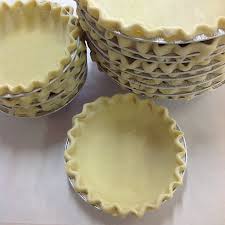
  • Pie Crust
  • Puff Pastry Sheet (What
  • Spring Roll Shells, Wrappers or Spring Roll Pastry Sheet (frozen)
  • Rice Spring Roll Paper Sheet or Banh Trang (dehydrated)
  • Rice Noodle or Banh Pho Flat Rice Noodle (fresh)
  • Tofu Skin or Dried Beancurd Sheet (Yuba in Japanese and  豆腐皮 or 腐竹 in Chinese)
  • Wonton Skin/Wraps or Wonton Wrapper

Chinese Pancake Dumpling Wrap Pie Crust

Spring Roll Wrapper Rice Spring Roll Paper Rice Noodle Sheet

Dried Tofu Skin Wonton Wrap


Thursday, June 23, 2016

Fried Shallots.


Crispy fried shallots are aromatic, sweet, salty, crunchy and are an essential condiment/ingredients in Southeast Asia, such as Taiwan, Burma, Vietnam and so on. 

They turn up in sauces, soups and on salads, sprinkled onto dumplings as a garnish, and minced and added to meatballs. 

You can sprinkle them on burgers, casseroles, chickens, chops, fish, meat, baked potatoes, hot dogs, scrambled eggs, frittata or even a tuna tartare for extra aroma, flavor and crunchy texture.

How to Make at Home

You may want to make double batches, as people have a hard time resisting the urge to snack on them. Strain the oil you used to fry the shallots and use it in other recipes or to fry more shallots. The strained oil, called shallot oil, will keep, refrigerated, for several weeks. The freshly fried shallots will keep, refrigerated in an airtight container, for 1 day, but they're best the day they are made.


How to Buy

It is indispensable in some Southeast Asia dishes and can easily be found in Asian supermarkets. Beware of the labels on many packages are called "Fried Onions", which is a misnomer and they usually cannot substitute each other because the flavors are different. If you are just adding a touch of crunchiness to a dish, such as a casserole, either would work well.

How to Use

Five Ways with Fried Shallots!


Wednesday, June 22, 2016

Papery Dried Shrimp Skin.


Other than the regular dried shrimp we talked about (Dried Shrimp), there is another dried shrimp product that is made of the shrimp shells or really tiny shrimp.

These tiny dried shrimp, known as ‘shrimp skin’ (虾皮) in Chinese, is like the dried shrimp in terms of flavor but is a few notches lighter. They are much smaller, papery and they cost less.

The regular dried shrimp is on the right in the picture for comparison, while the tiny dried shrimp skin is those on the left.

The good thing about dried shrimp skin is they don't require soaking process prior to cooking. They can go directly from freezer to stove.

I also keep a bagful of these for use when I need to punch up the umami, and when I make my special Pork Stew Meat Sauce.


Dried Shrimp Skin and Dried Shrimp


Dried Shrimps!


Dried shrimp are made from tiny, unshelled shrimp that are boiled and then sun-dried or baked dry over a gentle heat. After the drying process, they are shrunk to about a thumbnail size.

Dried shrimp is a natural flavor enhancer just like the dried shiitake mushrooms and anchovies, that make everything they touch taste better.

They are used in many Asian cuisines, imparting a unique salty, umami taste that can lift the flavor of all kinds of savory dishes. Some people find their taste a bit strong because they are intensely briny and mildly fishy. Just like the fish sauce, the aroma is stronger than the flavor. They are dense, meaty, and potent so you don't need a lot to flavor a dish. Because of that, dried shrimp is used to season the dish, rather than to substitute for the fresh shellfish.

Unlike some flavoring agents that end up flaccid and insipid after a long cooking process, dried shrimp stay briny and chewy no matter how long they cook. In fact, texture is one of their biggest selling points. It makes them seem more like pork than shellfish.

I always keep a bagful of these dried shrimp in my refrigerator. A few dried shrimp can be used to jazz up a bowlful of wontons in soup, pad Thai, tamales, fried rice or an omelette, and a handful transforms a cabbage into a fragrant, irresistible stir-fry. 

How to Use

A handful is enough for the whole dish serving 4 people. Rinse and soak a handful in cold water for 10-15 min until they are softened. You can chop them up if the cooking time is short, or use them as whole pieces if you can allow them to simmer for long period. The water is to be kept and used too.

Some Chinese cooks soak dried shrimp in Shaoxing wine to mellow the flavor, but water works just fine at making them easier to mince or chop. 

You can grind the dried shrimp in a spice mill without soaking but I don't find it necessary as they soften in water rather quickly.

How to Store

Once opened, vacuum-sealed packages of dried shrimp should be stored in the refrigerator, where they will keep for a few month. Dried shrimp that are sold loose, as they are in Chinatown, should be refrigerated as soon as you get them home.

Keeping them refrigerated in mason jars with air-tight lid helps to preserve the aroma and extend the shelf life.

Where to Buy


Most cooks prefer bigger dried shrimp, even in recipes in which they are chopped. They hold more moisture when dried and are not quite as salty. They can actually be chewy straight from the bag, while small ones are almost always brittle. In fact, some of the larger ones — three-quarters of an inch to an inch long — are chewy and mild enough to eat as a snack. The price increases with size: tiny shrimp run about 50 cents an ounce (about three tablespoons), while larger ones can cost twice as much. The difference in sizes does not effect the flavor at all.


No matter what size you buy, avoid those that are gray or brown or look washed-out. Dried shrimp are not as stable on the shelf as most other dried foods. Within a few months, they will become very hard and lose much of their flavor. Fresh packages will have bright pink, coral-colored shrimp that are whole rather than broken.


Shiitake Mushrooms!


Shiitake mushrooms is a very common ingredient in Asian cuisine and it's now widely used in all types of cuisines.

All fresh mushrooms are to be either brushed to clean or gently rinsed with water but should never be soaked or the fragrance and flavor will be drained and lost. Once when it's rinsed, it should be used in cooking right away.

Dried Shiitake Mushrooms

Dried Shiitake
Dried shiitake mushrooms have all the umami flavor of the fresh counterparts and the umami is more intense because of lack of the water content. It is a very important flavoring ingredient in Asian fine food cooking and the water used to soak and rehydrate the mushrooms are to be kept and used too.

To use dried shiitake mushrooms, rinse them shortly to remove the dirts and soak them in cold water to rehydrate. Since the water would have serious flavor and should be used later, I usually barely cover the dried shiitake with just enough water. This way, I won't end up with too much water to dilute the flavor and water down the dish.

How to Use

Soaked Shiitake
For small and thin dried shiitakes, they could be softened and rehydrated in 1-2 hours. If you have those gorgeous, thick-cap, deep-crack-fissure, hana (means flower in Japanese) shiitakes, they could take up to 8 hours or overnight to be fully rehydrated. You have to check in on them in the beginning since they float on top of the water. You could either use something to push them down or keep flipping them so all sides have a chance to get wet and be soaked. You should keep them in the refrigerator if you are to soak them overnight or longer.

If you are pressed for time, you can soak them in hot water but this will leach much of the great flavor into the soaking water. I've always managed my time to soak them early enough in cold water.

Another trick to speed up the soaking process is to snap and separate the stem and the cap before getting them wet. The stem is tougher and more woody so it takes longer to soak it. Don't throw the stems away. You could cut the stems into thinner, smaller pieces after soaking, or keep it to cook stock later.

After they are fully soaked and softened, remove them from water with hand and gently squeeze the excess water out. Then slice them or dice them, depending on what your recipe requires.

How to Store

Though dried shiitake doesn't have to be refrigerated and they last a very long time when kept in dry condition, they do get moldy if you live in very damp and humid areas. You should keep them in the refrigerator or freezer in this case.

Where to Buy

If you decide to add dried shiitake to your pantry, don't buy the pre-sliced, small package from just any market as those are of less quality and more expensive by weight. It would worth your while to take a trip to the Asian supermarket for better deals and buy them in the uncut whole mushroom form. Since this is a common ingredients, the Asian market usually have one of the brands on sale. Even if you can't afford the top-tier best-grade ones, you could still be very pleasantly surprised by what the the small, thin dried shiitake could offer to boost your dish.

In the Asian market, they are usually displayed with herbs, spices or dried beans. The deals are placed at the end caps of aisles.

I have never tried online purchase but if you cannot find it in your neighborhood, that would be something worth trying.

Substitute Fresh Shiitake for Dried Ones?

The tastes of the dishes won't be the same if you replace one for the other and especially in dishes that call for dense meaty flavor, you will need the dried ones. However, in most cases of the clear soups, using the fresh shiitake is okay and could be delightful and refreshing.


Tuesday, June 21, 2016

Monday, June 13, 2016

No Time for Breakfast? Try This!


I don't have to tell you the importance of breakfast, but a lot of times we skip it because we are so pressed for time in the morning. Okay, maybe the usual cereal and milk or whatever is boring and we are just not in the mood to do anything in the morning, other than turning on the coffee machine.

Here is something as simple and you can prepare the night before. Heat up and you have a breakfast to go.

Try my Creamy Hot Sesame Cereal.


Note:
  • Sesame seeds are an excellent source of copper, a very good source of manganese, and a good source of magnesium, calcium, phosphorus, iron, zinc, molybdenum, vitamin B, vitamin E, and selenium. It is also rich in vitamin B, vitamin E, and contains sesamin and sesamolin.
  • Therefore, regular consumption of black sesame seeds is believed to have the following benefits:
    • Anti-aging
    • Lowering your cholesterol
    • Protect heart health
    • Improve blood pressure
    • Balance hormones
    • Fight Cancer
    • Help burn fat
    • Support healthy bones and skin
    • Protect liver in detoxification process
    • Relieve constipation
    • Improve digestion

So, enjoy!

Tuesday, June 7, 2016

Dishes With ONE Ingredient! Is It Possible?


Hey, stranger, thanks for coming back! That's encouraging.

My last post kept me thinking, what if I only have one pot and one knife? A bowl, a spoon and a fork or a pair of chopsticks to eat with? Ok, fine, you need a chopping board and, maybe borrow that can opener from Jimmy, then you're good to go.

Ready?

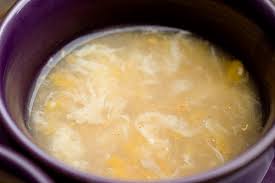
Here is my Simple Egg Drop Soup for you.

You can add some vegetables (onion, spinach, carrots, celery, cabbage, cauliflower, even potato would go with it. Dump that Nissin noodles in and it's a nice, warm, filling light breakfast. I will show you how to add some meat later.)

I am cheating?

How about two ingredients?

Here is my Two Ingredients Soup. How about that?

I know what you're thinking. These are just soups! I got to be kidding!

Okay, my point is, even you have just very simple tools or ingredients, if you know how to make them work, make the ingredients sing, you are maximizing the pleasure from food when it's a masterpiece.

You see, the simpler the dish is, the more difficult it is to make it great and the more you can tell if it's done amateurishly or professionally.

Take egg drop soup for example, the key is not to pour in the egg before the water is boiling, not to touch it too soon, and you have to watch for that water to boil just right, not poaching, simmering or rolling vigorously.

If it's simmering (a few bubbles breaking at the water surface,) the temperature of the water is too low and the egg can't coagulate quick enough to keep it from breaking and melting into the water. The soup will end up being a pot of yellowish liquid, which may not be visually appealing but still edible (smiley, been there, done that). Same thing could happen if your stir up too soon before the egg has been cooked into ribbons. If the water is boiling vigorous in heaves and waves, the egg you pour in will be cooked and puffed up too quickly in bigger, thicker and fewer pieces. The texture of egg could be porous, not silken and smooth. A trick many chefs use is to thicken the soup up with a touch of slurry ( mix equal part of cornstarch and water, add into water to thicken, my geeky page here) before adding the egg mixture and that will make the egg ribbons silken, and velvety.

There, even if you only have one pot, one egg, one can or one Nissin soup, one spoon and one bowl, you can still get flavor and texture. You owe it to yourself to make it count.

Next time when you don't know what to do to impress someone, you can make something as simple as egg drop soup, make it with just a few things, make it well and tell the story. I bet you'll totally rock and turn the tables.

Yes, I promise, I will post more for you, and not just soups, I know. 

Stay well.

Note

The major protein of egg white, ovalbumin, makes up 54% of the white and doesn't coagulate until the temperature reaches 80 °C. The yolk begins to thicken around 65 °C and sets around 70 °C. Since the different parts of egg coagulate at different temperatures, it is definitely not a simple matter to cook it right.

Simmer : one brings it to a boil and then reduces the heat to a point where the formation of bubbles has almost ceased, typically a water temperature of about 94 °C(200 °F) at sea level.

Poaching is a type of moist-heat cooking technique that involves cooking by submerging food in a liquid, such as water, milk, stock or wine. Poaching is differentiated from the other "moist heat" cooking methods, such as simmering and boiling, in that it uses a relatively low temperature (about 160–180 °F (71–82 °C)).


Friday, June 3, 2016

Asian Ingredients for Recipes.


Before I drop all the unfamiliar names for recipes, I would like to make sure we are on the same page. (Pun intended!)

In California, these are easy to come by in major supermarkets and you can always find them in Asian grocery stores.

Buddha Melon Burdock Root Chinese Yam Enoki

Produce:
  • Buddha Melon or Buddha's Palm or Chayote Melon 佛手瓜, 合掌瓜
  • Burdock Root or Gobo in Japanese 牛蒡
  • Chinese or Wild Yam (Nagaimo in Japanese) - 山药 Shan Yao (Also in dried form, called 淮山 Huai Shan) 
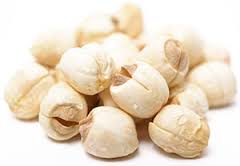
  • Ginkgo Nuts 銀杏 or 白果
  • Enoki Mushrooms 金针菇
  • Shiitake Mushrooms 
  • Tofu Skin

Ginkgo Shiitake Tofu Skin


Canned Food:
  • Straw Mushroom or Paddy Straw Mushroom - mostly in canned food section.
  • Water chestnut - mostly in canned food section.
Straw Mushrooms Longan

Dried Fruits:
  • Chestnut
  • Dried Fig 
  • Longan Pulp, pitted or in shells 龍眼

Dried Yam Dried Lily Dried Orange Peel

Dried Herbs:
  • Dried Chinese Yam - 淮山 (Huai Shan)
  • Dried Lily Bulb 百合
  • Dried Orange Peel or Tangerine Peel 陳皮
  • Dried Shiitake Mushrooms
  • Fox Nut 芡實
  • Hair-like Seaweed 髮菜
  • Honey Prune 蜜枣
  • Lady Bell Root 沙參
  • Lotus Seed 蓮子
  • Red Dates or Jujube 红枣/紅棗
  • White Fungus 白木耳 or 雪耳
Fox Nuts Hair Seaweed Honey Prune

Lady Bell Root Lotus Seeds Jujube White Fungus


Also, check out my Chinese Herbs Page.